
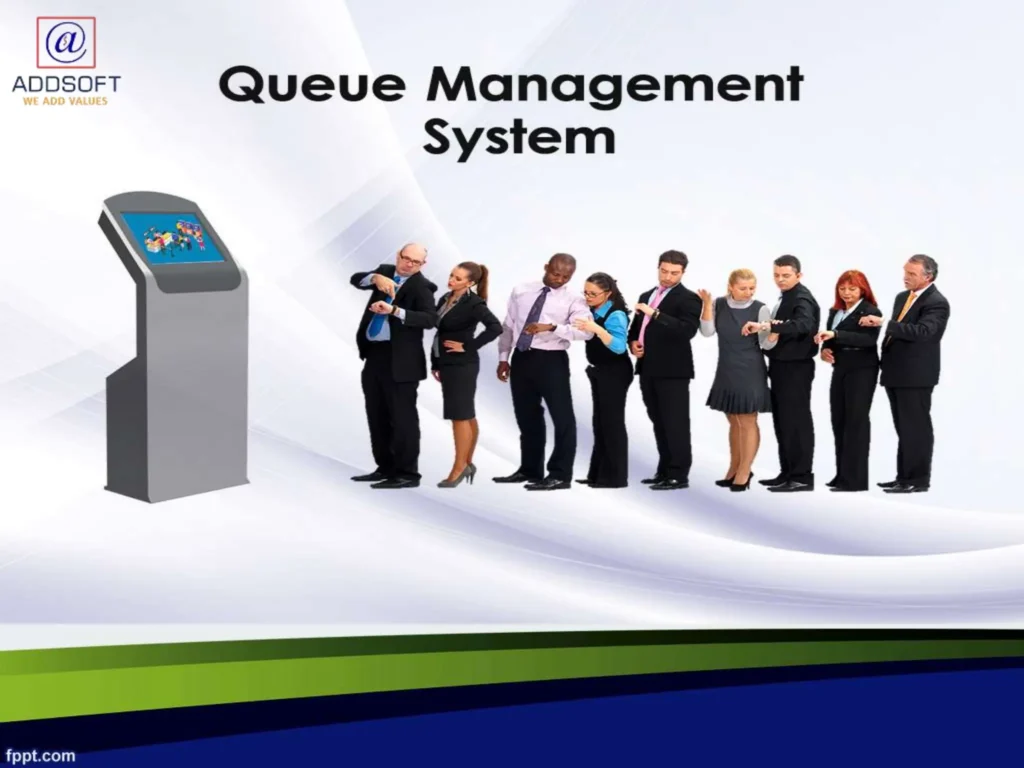
In today’s fast-paced world, no one enjoys waiting in long, disorganized lines. Whether at a bank, hospital, or government office, inefficient queuing leads to frustrated customers, lost productivity, and damaged brand reputation. As businesses across the Gulf region accelerate their digital transformation, the Queue Management System market in the GCC is now valued at USD 65 million, with Saudi Arabia and the UAE leading the charge due to rapid urbanization and massive infrastructure investments .
A modern Queue Management System (QMS) is far more than just a ticketing machine. It is a sophisticated digital ecosystem integrating self-service kiosks, digital signage, real-time analytics, and mobile notifications. These tools not only reduce physical crowding but also empower customers to wait remotely, receiving SMS updates when their turn approaches, which significantly enhances the overall service experience .
Queue Management System in Dammam
Dammam, a key commercial hub in the Eastern Province, is witnessing a surge in demand for sophisticated queue management system in Dammam. The city’s strategic importance as a logistics and industrial center has led to the expansion of banking, healthcare, and retail sectors, all of which require efficient customer flow management.
A prime example of effective implementation comes from the Takaful Al Rajhi Group, one of Saudi Arabia’s leading insurance companies. Facing an average footfall of 250 to 300 customers daily at their branches, the group needed to reduce long wait times—which previously averaged 1.5 to 2 hours. By deploying an advanced virtual queue management system in their key locations, including the Eastern Province, they achieved a remarkable 70% decline in waiting times, reducing it to just 30 minutes .
For businesses in Dammam looking to replicate such success, modern solutions integrate touchscreen ticketing kiosks, manager dashboards, and real-time reporting tools. These features allow institutions to monitor service status centrally, optimize staff allocation, and ultimately, increase customer satisfaction while boosting operational efficiency.
Queue Management System in Khobar
Khobar, located in the heart of the Dhahran metropolitan area, is home to numerous corporate headquarters, medical complexes, and retail giants. The demand for a queue management system in Khobar is driven by the need to streamline service delivery in high-density environments where time is money.
The healthcare sector in Khobar has been particularly proactive. Clinics and hospitals are adopting digital solutions to handle patient registration, appointment scheduling, and real-time queue tracking. Systems featuring digital signage screens installed in waiting areas and self-service kiosks at reception counters allow patients to book and pay for appointments without external staff help .
These solutions often include a centralized admin dashboard that provides analytics on patient check-in times, average wait times, and department-wise loads. By leveraging this data, healthcare providers can predict peak hours, reduce congestion, and lower patient stress. The result is a smoother, more transparent journey that keeps patients informed via automatic SMS alerts, freeing them to wait comfortably elsewhere rather than crowding the lobby .
Why Choose The NextGen Technologies?
When it comes to implementing world-class queue management solutions across the Eastern Province, The NextGen Technologies stands as the premier partner for organizations seeking excellence. Operating through thenextgentechnologies.com, the company combines deep technical expertise with an intimate understanding of the Saudi market, delivering solutions that address the unique operational requirements of businesses in Dammam, Khobar, and beyond.
Their comprehensive approach encompasses system design, professional installation, integration with existing infrastructure, and ongoing support. Whether you need a virtual queuing system for a bank, a patient flow management solution for a hospital, or a comprehensive QMS for a government service center, The NextGen Technologies ensures measurable improvements in customer satisfaction and operational efficiency. Visit thenextgentechnologies.com to discover how advanced queue management technology can transform your customer service operations.
Frequently Asked Questions
1. What industries in Dammam and Khobar benefit most from queue management systems?
The Banking, Financial Services & Insurance (BFSI) sector, healthcare facilities (hospitals and clinics), government service centers, retail stores, and telecom customer service centers benefit significantly. The retail sector is currently the largest end-user in the GCC, followed by healthcare and government sectors .
2. Can a queue management system integrate with existing appointment systems?
Yes, modern QMS solutions are designed for seamless integration with existing appointment scheduling systems, CRM platforms, and even mobile apps. This ensures scheduled appointments are prioritized while walk-in customers are accommodated efficiently, creating a unified view of all customer arrivals .
3. How does virtual queuing improve customer experience in Saudi Arabia’s climate?
Virtual queuing is particularly valuable in the Kingdom’s extreme summer heat. Customers can join a queue remotely via smartphone or website, then wait comfortably in their air-conditioned cars or homes until they receive an SMS notification that their turn is approaching. This eliminates physical crowding in outdoor waiting areas and significantly improves comfort .
4. What kind of data can I collect from a queue management system?
Comprehensive QMS solutions capture operational data including average wait times, service times per transaction, peak hour volumes, customer flow patterns, staff performance metrics, and abandonment rates. This data enables management to make informed staffing decisions and process improvements .
5. How quickly can a queue management system be implemented in Dammam or Khobar?
Implementation timelines vary based on complexity and the number of locations. A single-branch installation typically requires one to two weeks from assessment to full deployment. For example, a major bank’s five-branch deployment across Saudi Arabia, including the Eastern Province, was completed in just two days per the bank’s timelines . The NextGen Technologies provides detailed implementation timelines during the consultation phase.